
Indoor air quality plays a critical role in overall health, comfort, and productivity, yet it is often overlooked in routine property maintenance. While many homeowners and business operators focus on surface cleaning, vacuuming, and disinfecting high-touch areas, the HVAC system quietly circulates air through ductwork multiple times every day. Over time, dust, allergens, debris, and even microbial contaminants can accumulate within these air ducts. Professional air duct cleaning directly addresses this hidden buildup, significantly improving indoor air quality year-round. By targeting the ventilation system at its source, this service supports cleaner air, greater energy efficiency, and a healthier indoor environment in every season.
Air ducts function as the respiratory system of a building. Whenever heating or cooling systems operate, air travels through return vents, passes through filters, and moves into supply ducts before being distributed throughout rooms. If ductwork contains layers of dust, pollen, pet dander, or other airborne contaminants, those particles can be recirculated continuously. Even with regular filter changes, debris can accumulate in duct interiors over time. Professional Duct Cleaning Salt Lake City removes this buildup, interrupting the cycle of recirculation and reducing the concentration of airborne pollutants inside the property.
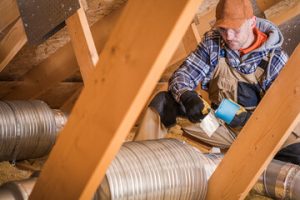
One of the most immediate benefits of professional air duct cleaning is the reduction of allergens. Throughout the year, indoor environments are exposed to seasonal pollen, dust mites, mold spores, and pet dander. These microscopic particles settle inside duct systems and can become airborne whenever the HVAC system runs. For individuals who experience allergies or asthma, this constant exposure may trigger symptoms such as sneezing, congestion, coughing, and eye irritation. Thorough cleaning of the ductwork removes these trapped irritants, helping to create a more comfortable and breathable indoor atmosphere.
Year-round indoor air quality depends heavily on controlling particulate matter. During colder months, buildings are often sealed tightly to retain heat, limiting fresh air exchange. In warmer seasons, air conditioning systems operate continuously, drawing and distributing air throughout the space. Without proper duct maintenance, accumulated debris remains trapped within the system, reducing air freshness regardless of the season. Professional air duct cleaning ensures that conditioned air travels through clean pathways, minimizing the introduction of unwanted particles into living or working areas.
Another important factor is mold prevention. Moisture can develop inside duct systems due to condensation, humidity fluctuations, or minor leaks. When moisture combines with dust and organic debris, it creates conditions conducive to microbial growth. Mold spores circulating through indoor air can affect respiratory health and produce unpleasant odors. Professional duct cleaning not only removes visible debris but also addresses areas prone to moisture buildup. Combined with proper humidity control, this service helps reduce the risk of mold growth and supports healthier indoor air throughout the year.
Energy efficiency is closely linked to indoor air quality. When dust and debris accumulate in ductwork, airflow may become restricted. The HVAC system must work harder to push air through clogged or partially obstructed passages, increasing strain on components and raising energy consumption. By removing blockages and buildup, professional air duct cleaning restores efficient airflow. Improved airflow enhances temperature consistency, reduces system wear, and supports balanced humidity levels—factors that contribute to both comfort and air quality.
Professional air duct cleaning also helps control indoor odors. Over time, smells from cooking, pets, cleaning agents, and daily activities can become trapped within ductwork. When the HVAC system operates, these odors may be redistributed throughout the property. Persistent musty or stale smells often indicate hidden buildup within the ventilation system. Deep cleaning eliminates odor-causing particles at their source, resulting in fresher indoor air and a more pleasant environment.
There are several key ways professional air duct cleaning improves indoor air quality year-round:
- Reduces Allergen Circulation – Removes pollen, dust, and pet dander trapped in ducts.
- Minimizes Mold Risk – Addresses moisture-prone areas and reduces microbial growth potential.
- Enhances Airflow Efficiency – Clears obstructions that compromise system performance.
- Improves Odor Control – Eliminates trapped particles that contribute to stale air.
- Supports Respiratory Health – Lowers overall airborne contaminant levels.
These combined benefits make air duct cleaning an integral component of comprehensive indoor air management.
Seasonal changes introduce varying air quality challenges. In spring, pollen levels rise, and open windows allow outdoor allergens to enter. During summer, high humidity can encourage condensation within HVAC systems. Autumn often brings increased dust circulation as heating systems are activated after months of inactivity. Winter months, with closed windows and recirculated air, can intensify indoor pollutant buildup. Professional air duct cleaning helps prepare HVAC systems to operate efficiently during each seasonal transition, ensuring that indoor air remains cleaner regardless of external conditions.
Families with pets or young children may notice even greater benefits from routine duct cleaning. Pet hair and dander accumulate quickly, especially in high-traffic households. Children, whose respiratory systems are still developing, can be more sensitive to airborne irritants. By reducing the presence of these particles within the ventilation system, professional cleaning supports a safer and more comfortable home environment for vulnerable occupants.
Commercial properties also experience year-round air quality demands. Employees and visitors spend extended hours indoors, and poor air quality can affect concentration, productivity, and overall comfort. Dust accumulation in ductwork may contribute to fatigue or headaches associated with stale air. Regular professional cleaning demonstrates a commitment to maintaining a healthy workplace and supports employee well-being.
The process of professional air duct cleaning involves more than simple vacuuming. Trained technicians begin with a comprehensive inspection to assess the level of buildup and identify potential issues. Specialized tools such as high-powered vacuums, rotating brushes, and compressed air systems dislodge and extract debris from deep within the duct network. HEPA filtration equipment captures fine particles during the cleaning process, preventing contaminants from re-entering the indoor environment. This thorough approach ensures that ducts are cleaned effectively and safely.
In addition to removing debris, professionals may recommend complementary measures such as replacing air filters, sealing duct leaks, or improving insulation. These steps enhance the long-term effectiveness of cleaning and contribute to sustained indoor air quality improvement. Preventive maintenance helps maintain optimal system performance between professional cleanings.
Several indicators suggest it may be time to schedule professional air duct cleaning:
- Visible Dust Around Vents – Accumulation near registers or return vents.
- Unexplained Allergy Symptoms – Increased respiratory irritation indoors.
- Musty Odors When HVAC Operates – Persistent smells during airflow.
- Recent Renovation or Construction – Dust may have entered the duct system.
- Inconsistent Airflow – Certain rooms receive less air circulation.
Recognizing these signs early can prevent ongoing air quality concerns.
Another year-round advantage of clean ductwork is reduced dust settling on surfaces. Many property owners find themselves repeatedly dusting furniture only to see accumulation return quickly. Dirty ducts may contribute to this cycle by redistributing particles each time the HVAC system runs. By eliminating built-up debris inside the ducts, professional cleaning reduces airborne dust and helps maintain cleaner surfaces longer.
Air duct cleaning also complements other indoor air quality strategies. Using high-quality air filters, maintaining appropriate humidity levels, and ensuring adequate ventilation all contribute to a healthier indoor environment. However, if the duct system itself is contaminated, these measures may have limited effectiveness. Cleaning the ducts establishes a clean baseline, allowing other air quality improvements to function optimally.
Long-term cost savings further reinforce the value of professional air duct cleaning. Efficient airflow reduces strain on HVAC components, potentially extending system lifespan and lowering repair costs. Improved energy efficiency may also result in reduced utility bills. While the primary goal is healthier air, the financial benefits provide additional incentive for routine maintenance.
Ultimately, professional air duct cleaning improves indoor air quality year-round by addressing the hidden infrastructure that circulates air throughout a building. By removing accumulated debris, controlling allergens, preventing mold growth, and enhancing airflow efficiency, this service creates a healthier and more comfortable indoor environment in every season. Clean ducts support respiratory wellness, reduce odors, and contribute to overall property maintenance.
In conclusion, maintaining indoor air quality requires more than surface cleaning and routine filter changes. The air duct system plays a central role in distributing air, and its cleanliness directly influences the health and comfort of occupants. Professional air duct cleaning offers a proactive solution that improves air freshness, reduces allergens, and enhances HVAC efficiency throughout the year. By investing in regular duct maintenance, property owners create a cleaner, safer, and more sustainable indoor environment that supports well-being in every season.