
Basement Remodeling Contractor has become one of the most popular home improvement projects in recent years, as homeowners recognize the potential of transforming underutilized spaces into functional, comfortable, and aesthetically pleasing areas. Whether the goal is to create a home theater, a personal gym, a guest suite, or a recreational area, careful planning is essential to ensure that the finished basement meets both practical and design expectations. Among the key considerations in any basement remodeling project are waterproofing, insulation, and layout planning. Addressing these elements early in the design process can prevent common problems, enhance comfort, and maximize the long-term value of the space.
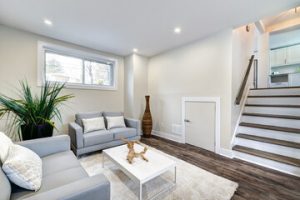
Waterproofing is the foundation of a successful basement remodel. Basements are inherently susceptible to moisture due to their location below ground level, and failure to manage water infiltration can lead to structural damage, mold growth, and deterioration of finishes. Before any remodeling begins, it is essential to assess the basement for signs of water intrusion, such as damp walls, musty odors, efflorescence, or previous flooding. Professional basement waterproofing techniques may include interior or exterior drainage systems, sump pumps, sealants, and moisture barriers. Interior methods, such as installing a perimeter drain or using waterproof coatings on walls and floors, can prevent seepage and protect flooring and wall materials. Exterior solutions, including grading the landscape to direct water away from the foundation and installing exterior drainage membranes, provide long-term protection but may require more extensive construction work. Combining both approaches often yields the most reliable results, ensuring a dry environment that supports remodeling efforts.
Insulation is another critical factor in basement remodeling. A well-insulated basement maintains a consistent temperature and prevents energy loss, making the space comfortable throughout the year. There are several insulation options, including rigid foam boards, spray foam, and fiberglass batts. Rigid foam boards offer moisture resistance and high thermal efficiency, making them ideal for basement walls. Spray foam insulation provides excellent air sealing and can fill irregular spaces, but it requires professional application and comes at a higher cost. Fiberglass batts are commonly used in framed walls, but must be protected from moisture to prevent mold growth. In addition to wall insulation, insulating the ceiling and floors can enhance comfort, especially in basements that will serve as living spaces or home offices. Proper insulation not only improves thermal performance but also contributes to soundproofing, reducing noise transfer between floors.
Layout considerations are equally important when planning a basement remodel. The unique characteristics of basements—such as lower ceilings, support columns, and limited natural light—require creative design solutions to maximize functionality and aesthetic appeal. Open-concept layouts are popular because they provide flexibility and make the space feel larger. However, dividing the basement into zones or separate rooms can also be effective, depending on the intended use. For instance, creating a dedicated home office, guest bedroom, or entertainment area may require careful partitioning while maintaining good traffic flow. Ceiling height is a crucial consideration, as building codes often require minimum clearance for habitable spaces. Innovative solutions, such as coffered or drop ceilings, can help conceal ductwork while preserving height and visual appeal.
Lighting design plays a significant role in basement remodeling, especially since natural light is limited. Combining ambient, task, and accent lighting can create a well-lit, inviting atmosphere. Recessed lighting is particularly effective for low ceilings, as it provides even illumination without consuming headroom. Wall sconces, floor lamps, and LED strip lighting can highlight architectural features or specific functional areas. Additionally, incorporating windows or egress points where possible not only brings in natural light but also ensures safety and code compliance for bedrooms or habitable spaces. When designing the layout, it is important to position electrical outlets, switches, and lighting fixtures strategically to support the intended uses of the space, whether for media equipment, exercise machines, or home offices.
Flooring selection is another crucial aspect of basement remodeling. Because basements are prone to moisture, flooring materials must be durable, water-resistant, and comfortable underfoot. Common options include vinyl plank flooring, ceramic or porcelain tiles, engineered wood, and treated carpeting. Vinyl planks and tiles offer excellent water resistance and a wide range of design options, from wood-look textures to contemporary patterns. Ceramic and porcelain tiles are highly durable and easy to clean, but they may feel cold without underfloor heating. Engineered wood can provide a warm, inviting look, but requires moisture mitigation measures to prevent warping. Carpeting adds comfort and sound absorption, particularly in recreational or family areas, but it must be elevated off concrete subfloors and treated to resist mold and mildew. The choice of flooring should complement the overall design while meeting practical requirements for durability and maintenance.
Storage solutions are essential in basement remodeling to maintain organization and maximize usable space. Basements often serve as both living and utility areas, so incorporating built-in shelving, cabinets, or storage closets can keep belongings organized while maintaining aesthetic appeal. Customized storage solutions, such as under-stair cabinets or recessed wall niches, make efficient use of available space without compromising room flow. In addition, flexible furniture, such as modular seating with hidden storage, allows for multifunctional spaces that can adapt to changing needs over time. Thoughtful storage planning reduces clutter and ensures that the basement remains a functional, welcoming environment for both everyday use and special gatherings.
HVAC and ventilation must also be carefully considered in a basement remodel. Proper airflow prevents moisture buildup, improves indoor air quality, and ensures thermal comfort. Basements often require additional heating or cooling solutions, such as ductless mini-split systems, to maintain a consistent temperature. Dehumidifiers can help control humidity levels, reducing the risk of mold growth and protecting finishes and furnishings. Ventilation should be strategically integrated into the layout to ensure that each zone receives adequate airflow while minimizing noise and visual impact. Addressing HVAC and ventilation needs early in the planning process can prevent costly modifications after construction is underway.
When planning a basement remodel, homeowners should also consider permitting and building code requirements. Depending on the scope of the project, permits may be required for structural modifications, electrical work, plumbing, or egress windows. Working with professionals ensures that all improvements meet local codes, reducing the risk of fines or complications when selling the property. It is also advisable to consult with contractors or designers experienced in basement renovations to assess feasibility, estimate costs, and develop a realistic timeline. Early engagement with professionals allows for informed decisions about materials, layouts, and finishes, resulting in a remodel that is both functional and visually appealing.
Budgeting and project management are crucial to a successful basement remodel. Costs can vary widely based on the complexity of the project, materials chosen, and professional services required. Homeowners should account for essential elements such as waterproofing, insulation, electrical upgrades, flooring, lighting, and storage solutions. Contingency funds should be set aside to address unforeseen issues, such as hidden water damage, foundation repairs, or additional structural reinforcement. Establishing a clear plan, timeline, and budget at the outset helps prevent delays and ensures that the project progresses smoothly. Additionally, documenting progress and regularly communicating with contractors allows homeowners to maintain oversight and make timely adjustments as needed.
There are several practical steps homeowners should consider when planning a basement remodel:
- Assess the existing conditions: Identify potential challenges such as moisture issues, low ceilings, structural supports, or outdated systems. Understanding these factors informs design choices and helps prioritize improvements.
- Define functional goals: Determine how the basement will be used—entertainment, work, exercise, guest accommodation, or a combination of purposes. This guides layout, lighting, storage, and finishing decisions.
- Plan for future flexibility: Designing multipurpose zones, movable partitions, or modular furniture allows the space to adapt to changing needs over time, increasing the basement’s long-term utility.
In addition to practical considerations, aesthetics and comfort are vital to a successful basement remodel. Color schemes, textures, and finishes can transform a previously dim and uninviting space into a warm, welcoming environment. Wall treatments, ceiling designs, and furniture selections should complement the intended function while maintaining a cohesive style. Incorporating design elements that reflect personal taste enhances satisfaction and ensures that the basement feels integrated with the rest of the home. Careful attention to lighting, insulation, and ventilation ensures that the remodeled basement is not only attractive but also comfortable and energy-efficient.
In conclusion, basement remodeling requires careful planning, thoughtful material selection, and attention to both practical and design considerations. Waterproofing, insulation, and layout planning form the foundation of a successful remodel, preventing common issues such as moisture intrusion, temperature inconsistencies, and inefficient space utilization. By addressing these elements early, homeowners can create basements that are functional, comfortable, and visually appealing. Incorporating lighting, flooring, storage, HVAC, and design features ensures that the finished space meets the family’s lifestyle needs while adding long-term value to the property. With thorough preparation and the right professional guidance, any basement can be transformed from an underutilized area into a versatile retreat that enhances both the functionality and beauty of the home.