
Your home’s electrical system works year-round, powering everything from lighting and appliances to heating and cooling systems. However, seasonal changes can place unique demands on electrical infrastructure. Winter brings higher energy usage for heating systems, while summer often increases the load from air conditioning and cooling devices. Failing to prepare for these fluctuations can lead to overloaded circuits, tripped breakers, or even electrical hazards such as fires or appliance damage. Proactive preparation ensures safety, efficiency, and reliability, keeping your home’s electrical system in optimal condition no matter the season.
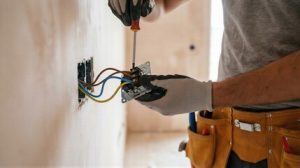
One of the most critical aspects of preparing your electrical system for seasonal changes is inspecting wiring and circuits. Over time, wear and tear, moisture exposure, and temperature fluctuations can weaken wires or connections. In colder months, uninsulated or poorly protected wiring may become brittle, while in warmer months, heat can cause expansion that loosens connections. A thorough inspection by a licensed electrician can identify damaged wiring, loose connections, or outdated components before they lead to serious problems. Timely repairs or upgrades not only prevent hazards but also improve energy efficiency and reduce the likelihood of system failures. Learn More to know more details.
Circuit breakers play a vital role in protecting your home’s electrical system, but they can be stressed during seasonal shifts in energy usage. Winter often sees increased electricity consumption due to space heaters, heated appliances, and holiday lighting, while summer surges result from air conditioners, fans, and other cooling devices. If your breakers frequently trip during these high-demand periods, it is a sign that the system may need an upgrade or better load distribution. Regularly testing and maintaining circuit breakers ensures they function properly when needed and prevents potential electrical fires caused by overloaded circuits.
Appliances are another focus area for seasonal electrical preparation. HVAC systems, water heaters, and major kitchen appliances often operate more frequently depending on the season. Ensuring these devices are in good working order, with proper connections and maintenance, helps prevent electrical strain. For example, checking and replacing HVAC filters, inspecting water heater wiring, and confirming appliance cords and plugs are undamaged can reduce energy consumption, prevent unexpected breakdowns, and safeguard your home’s electrical infrastructure from damage.
Lighting demands also vary with the seasons. Longer nights during winter months often lead to extended use of indoor lighting, while summer may increase outdoor lighting usage for patios or security purposes. Overused outlets or improperly rated light fixtures can become fire hazards. Using energy-efficient bulbs, checking for damaged sockets, and distributing lighting loads across multiple circuits can help maintain safe and efficient operation. Incorporating smart lighting systems also allows homeowners to automate schedules and reduce unnecessary energy consumption during high-demand periods.
Several enumerated steps can help prepare your electrical system for seasonal changes:
- Inspect Wiring and Connections – Check for signs of wear, corrosion, or damage that could compromise safety during seasonal load changes.
- Maintain Circuit Breakers – Test breakers regularly and address tripping issues to ensure reliable protection.
- Check Appliances – Inspect cords, plugs, and connections on seasonal devices, such as heaters or air conditioners, for signs of wear.
- Optimize Lighting – Use energy-efficient bulbs, distribute loads evenly, and consider automation to reduce energy strain.
- Install Surge Protection – Protect sensitive electronics from voltage spikes, which may increase during storms or utility fluctuations.
Seasonal storms and weather events are another factor that can impact your home’s electrical system. Thunderstorms, ice storms, and high winds increase the likelihood of power surges, outages, or downed utility lines. Installing whole-home surge protection, maintaining backup power solutions such as generators, and ensuring outdoor wiring is secure can protect both the electrical system and valuable electronics. These measures are particularly important in areas prone to severe weather, where power fluctuations are more frequent.
Energy efficiency is closely tied to seasonal electrical preparation. Using heating or cooling devices inefficiently can strain circuits and increase electricity bills. Upgrading to energy-efficient appliances, programmable thermostats, and smart plugs can optimize energy use while reducing the burden on your home’s wiring. An efficient electrical system not only improves comfort but also extends the lifespan of devices and reduces maintenance costs over time.
Older homes may require special attention when preparing for seasonal changes. Wiring systems that were sufficient decades ago may no longer meet the demands of modern devices or seasonal energy fluctuations. Outdated electrical panels, inadequate grounding, or worn outlets can increase the risk of fires or equipment failure. Upgrading panels, replacing old wiring, and adding dedicated circuits for high-demand appliances ensure that your home can handle seasonal demands safely and reliably.
Electrical outlets and extension cords are often overlooked but are critical components in seasonal preparation. Overloaded outlets or improperly rated extension cords can overheat and create fire hazards. Distributing electrical loads, using heavy-duty cords for high-power appliances, and avoiding daisy-chaining multiple devices ensures safe operation. Regularly inspecting outlets for heat, discoloration, or buzzing sounds can alert homeowners to potential hazards before they escalate.
Several seasonal maintenance actions focus on outdoor electrical systems. Exterior lighting, irrigation systems, and outdoor outlets are exposed to moisture, temperature extremes, and environmental debris. Inspecting wiring, checking for water intrusion, and ensuring proper grounding and GFCI protection prevents damage and reduces the risk of shocks or short circuits. Outdoor preparations are especially important before winter freezes or summer storms, which can compromise electrical safety if systems are not properly maintained.
Home automation and smart devices play an increasingly important role in seasonal electrical management. Programmable thermostats, energy monitoring systems, and automated lighting allow homeowners to control electricity usage dynamically, reducing peak loads and minimizing energy waste. These systems depend on reliable electrical infrastructure, including properly rated circuits, surge protection, and efficient wiring, to function safely and effectively. Integrating smart solutions with seasonal preparation strategies ensures optimal performance while reducing operational risks.
Several signs indicate that a home may require electrical system upgrades to handle seasonal changes effectively:
- Frequent Circuit Overloads – Breakers trip or fuses blow during periods of increased appliance use.
- Flickering or Dimming Lights – Voltage fluctuations indicate strain on circuits or outdated wiring.
- Inconsistent Appliance Performance – Devices underperform or fail during high-demand seasons.
- Outdated Electrical Panels – Panels may lack capacity to safely handle modern seasonal loads.
- Insufficient Outdoor Protection – Exterior outlets and systems are vulnerable to weather-related hazards.
Proactive seasonal preparation also includes reviewing your home’s electrical documentation. Ensuring circuit maps, breaker panels, and wiring layouts are up to date allows electricians and homeowners to troubleshoot efficiently and make informed decisions regarding upgrades or repairs. Keeping records of previous inspections, repairs, and upgrades ensures a consistent approach to seasonal maintenance and helps identify recurring issues.
In addition to safety and efficiency, seasonal preparation protects your property’s value. Electrical failures, fires, or appliance damage can result in costly repairs and negatively affect resale value. Ensuring that wiring, panels, and devices are maintained and updated as necessary demonstrates responsible property management and helps maintain the home’s reliability and safety year-round.
Several practical recommendations summarize how to prepare your home’s electrical system for seasonal changes:
- Schedule Annual Professional Inspections – Licensed electricians can identify vulnerabilities and recommend upgrades.
- Update Wiring and Panels as Needed – Modernize outdated components to safely accommodate seasonal energy demands.
- Install Surge Protection – Protect sensitive electronics from storms and utility fluctuations.
- Distribute Electrical Loads – Ensure high-demand devices do not overload individual circuits.
- Maintain Outdoor Electrical Systems – Inspect outlets, lighting, and wiring for weather-related vulnerabilities.
In conclusion, seasonal changes place unique demands on a home’s electrical system, affecting everything from heating and cooling to lighting and appliance performance. Preparing for these changes requires proactive maintenance, inspections, and sometimes upgrades to wiring, panels, outlets, and appliances. Indicators such as frequent breaker trips, flickering lights, insufficient circuits, or inconsistent device performance signal the need for attention. By taking a comprehensive approach that includes professional inspections, smart energy management, and proper system upgrades, homeowners can ensure safety, efficiency, and reliability throughout the year. Seasonal electrical preparation is an investment in comfort, protection, and long-term functionality, allowing your home to operate smoothly no matter the weather or energy demands.